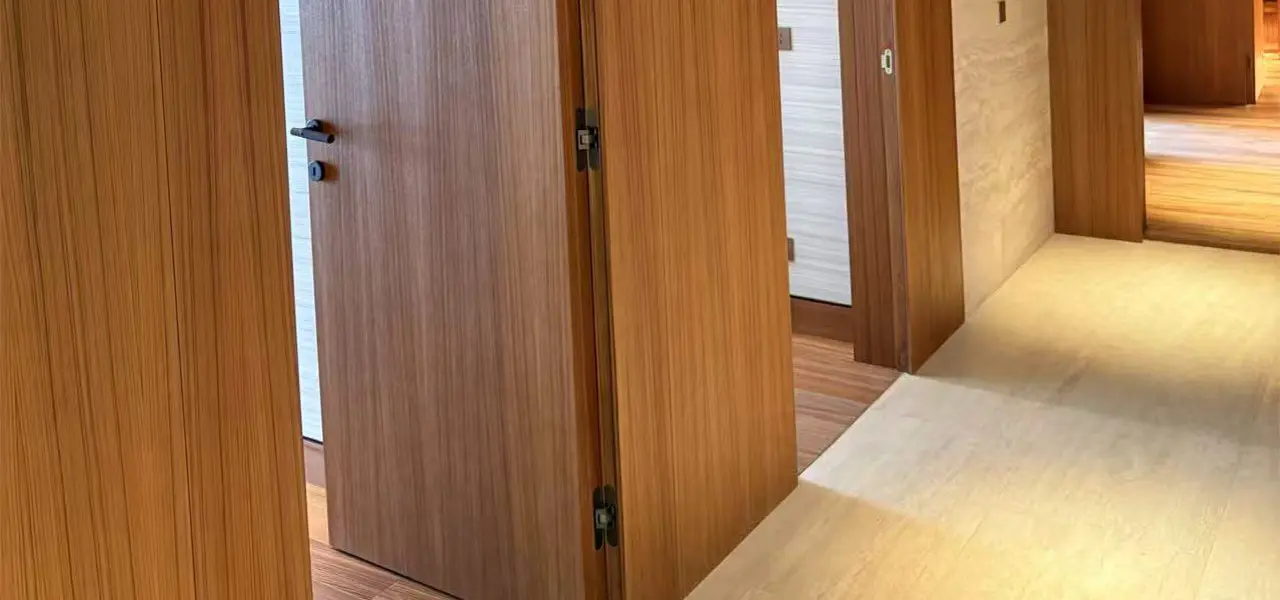
(YourDigitalWall Editorial):- Shenzhen, Guangdong Apr 8, 2026 (Issuewire.com) – The architectural shift towards minimalism has elevated the importance of flush wooden doors in modern interior design. Characterized by their seamless integration with wall surfaces and clean, unadorned aesthetics, these doors require hardware that complements their understated elegance while providing uncompromising durability. Selecting reliable handles for contemporary flush wooden doors involves more than matching finishes; it requires a deep technical understanding of ergonomics, material integrity, and the intricate mechanical synergy between the external lever and the internal locking mechanism. A well-chosen handle serves as the primary touchpoint of a space, bridging the gap between sophisticated industrial design and the practical requirements of daily operational life.
In the context of contemporary architecture, the performance of door hardware is no longer viewed in isolation. Professionals prioritize components that offer a high cycle life and resistance to mechanical wear, ensuring that the tactile feedback remains consistent over decades of use. Modern solutions emphasize precision-cast components that eliminate rattling and operational friction, which are common failure points in lower-grade hardware. By focusing on the structural alignment between the handle and the mortise, architects can ensure that the door’s operation remains as silent and smooth as its visual appearance suggests, maintaining the acoustic and aesthetic integrity of the environment.
1. Identifying Strategic Risk Points and Structural Demands
The first step in securing high-performance hardware is identifying the specific environmental and structural risks inherent in the project. Contemporary flush doors often utilize heavy, high-density wood or composite materials to improve acoustic insulation, which in turn necessitates handles and spindles that can withstand significantly higher torque without bending or snapping. For contemporary flush wooden doors, reliable handles must be fully compatible with heavy-duty European or American mortise lock bodies. It is essential to verify technical parameters such as the spindle diameter and the precise center-to-center distance between the handle and the cylinder to ensure a seamless, gap-free fit.
Furthermore, the environmental conditions of the installation site–such as humidity levels in coastal regions or high-traffic frequency in commercial corridors–must be analyzed. Failure to account for these variables often leads to premature oxidation or mechanical fatigue. In high-traffic residential or commercial settings, the material composition of the handle is the primary defense against degradation. Zinc alloy and high-grade stainless steel remain the industry benchmarks due to their superior tensile strength and natural resistance to corrosion. Advanced manufacturing processes, including vacuum electroplating and multi-layer high-temperature powder coating, provide a finish that resists oxidation, acidic sweat, and fingerprint marking, ensuring the hardware retains its “like-new” appearance long after installation.
2. Systematic Classification and Technical Evaluation
Once the risks are identified, the next step involves a rigorous classification of the hardware based on mechanical performance and integration capabilities. A comprehensive approach to door hardware views the handle as a vital node in a holistic system that includes the lock body, the cylinder, and the hinges. For modern flush wooden doors, the use of 3D adjustable concealed hinges is often necessary to maintain the door’s perfect alignment within the frame. When the hinges provide sub-millimeter precision in vertical and horizontal positioning, the handle and lock body can engage without the lateral resistance that typically causes latch wear and strike plate misalignment.
The evaluation process should center on objective performance metrics derived from standardized testing environments. Key performance indicators (KPIs) include the salt spray test rating–premium hardware should exceed 72 to 96 hours of exposure without surface pitting–and the mechanical cycle test count. Industry leaders typically target a minimum of 200,000 to 500,000 cycles for their high-end series. These rigorous metrics ensure that the hardware can withstand diverse global climates and the stresses of public-facing infrastructure. Additionally, manufacturing facilities that integrate in-house research and development with direct production lines allow for the creation of bespoke ODM and OEM solutions that adhere to specific international certifications such as ANSI, CE, or IEC, facilitating smoother entry into global markets.
3. Executing Implementation and Long-Term Reliability Standards
The final phase of a robust hardware strategy involves establishing a framework for long-term durability and specialized technical support. Reliable handles are almost always the product of manufacturers with extensive vertical experience in the industry. Entities with over two decades of expertise in the dual production of concealed hinges and lock bodies possess a unique understanding of metal fatigue, thermal expansion, and mechanical tolerances. This deep technical background is vital for the development of modern innovations such as magnetic latch lock bodies, which utilize magnetic force to retract the latch bolt when the door is open, offering a silent and friction-free closing experience that perfectly aligns with the minimalist ethos of flush doors.
To ensure the continued integrity of the door system, project managers should implement a standardized maintenance protocol, including periodic inspections of the fastening screws and the internal lubrication of the mortise components. Sourcing hardware from manufacturers that adhere to international quality management systems, such as ISO 9001, provides an essential layer of assurance for large-scale developments. By prioritizing entities that invest in continuous R&D and rigorous quality control, stakeholders can minimize the risk of mechanical failure, reduce lifecycle costs, and ensure that the architectural vision of the project remains intact and functional throughout the building’s operational lifespan.
Skeid provides a comprehensive suite of high-performance hardware solutions specifically engineered to meet the demanding requirements of modern international architecture. With over 20 years of manufacturing excellence in the fields of concealed hinges, butt hinges, lock bodies, and premium handles, the company offers a fully integrated service model encompassing robust OEM and ODM capabilities. Supported by a sophisticated technical research and development team, the product range is designed for extreme precision, long-term durability, and seamless integration into contemporary flush wooden door systems.
For more information regarding technical specifications and high-performance industrial hardware solutions, please visit: https://www.skdwerk.com/
This article was originally published by IssueWire. Read the original article here.