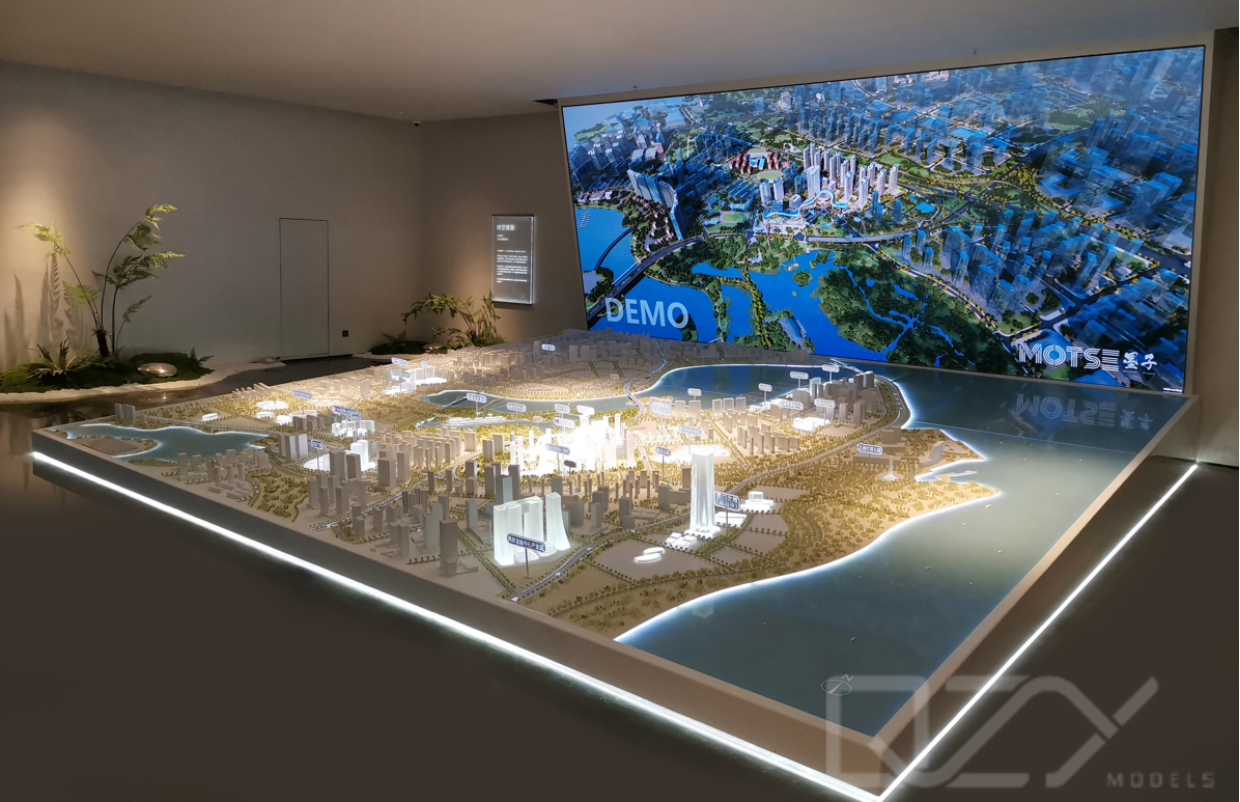
(YourDigitalWall Editorial):- Shenzhen, Guangdong Aug 11, 2026 (Issuewire.com) – Physical architectural models continue to play a vital role in real estate marketing, urban planning, and public exhibitions, even in an era dominated by high-resolution 3D renderings and virtual walkthroughs. Standard static scale models often struggle to convey the complex reality of dynamic infrastructure, phased urban growth, and environmental factors such as traffic flow or seasonal light shifts. Modern exhibition environments increasingly require physical craftsmanship seamlessly combined with responsive digital lighting systems. To meet these elevated presentation standards, choosing the best interactive led architectural models supplier has become a strategic priority for developers, municipal boards, and design institutions globally. By embedding controllable LED arrays, augmented reality triggers, and projection layers into micro-milled hybrid physical structures, QZY Models bridges the gap between traditional spatial representation and responsive digital storytelling. The following Q&A section analyzes how integrated fabrication, exhibition-focused design, and cloud-backed deployment deliver measurable value across modern architectural displays.
Q1: What Distinguishes Advanced Interactive LED Models from Standard Illuminated Displays?
Traditional illuminated models rely primarily on static interior lighting or basic zone switches to highlight individual buildings. Advanced interactive led architectural models, by contrast, function as integrated hardware and software units. Physical craftsmanship and digital control logic merge directly during the initial production phase rather than as an afterthought.
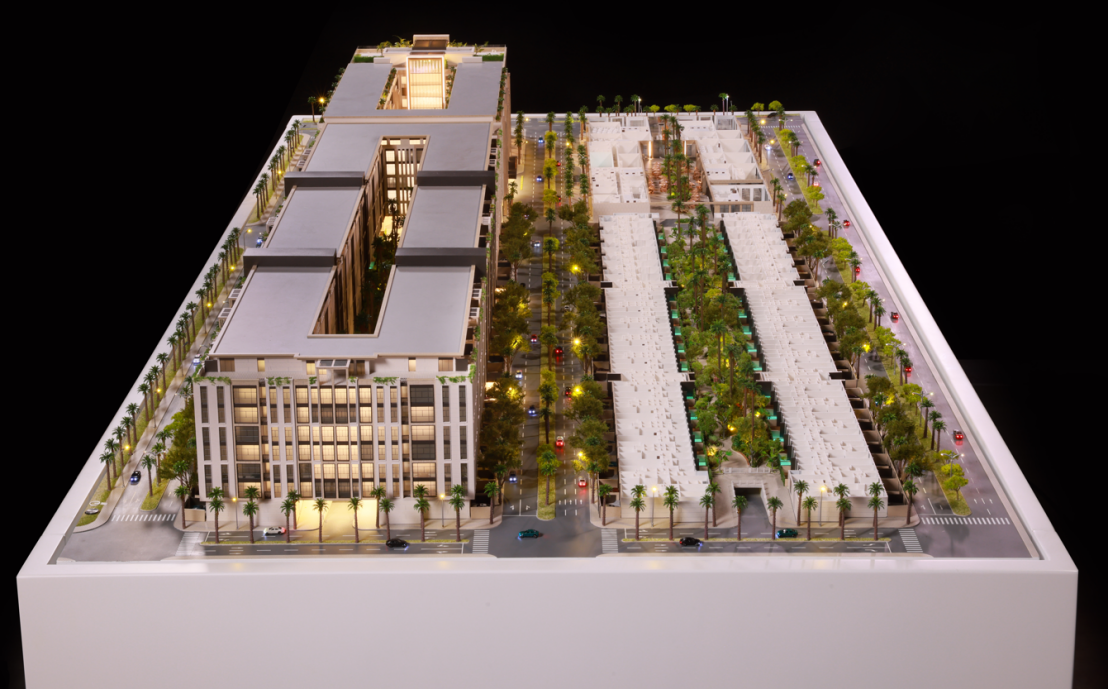
Shenzhen QZY Models Design Co.,Ltd approaches physical fabrication by directly embedding addressable LED circuits into structural components during CNC machining, laser cutting, and high-resolution 3D printing. Rather than routing visible wires across completed surfaces, internal channels conceal control boards, power conduits, and optical diffusers within micro-milled acrylic and composite sub-assemblies.
Integration directly connects Building Information Modeling and Revit data to custom PCB controllers. This connection allows lighting channels to reflect precise spatial attributes across several core applications:
- Phased Development Visualization: Lighting sequences illuminate individual construction phases chronologically, demonstrating capital deployment and delivery schedules.
- Infrastructure and Traffic Simulation: Programmable LED pathways simulate vehicle movement, pedestrian density, and transit network activity across master plans.
- Environmental Impact Mapping: Synchronized lighting changes display seasonal light angles, shadow patterns, and utility consumption corridors.
- AR and Quick Response Integration: Embedded Near Field Communication chips or QR codes allow visitors to scan specific sectors with mobile devices, unlocking real-time floor plans, structural data, and virtual walkthroughs.
By maintaining physical accuracy while incorporating dynamic digital overlays, an interactive LED architectural model supplier delivers physical assets that function as responsive communication instruments.
Q2: How Do Interactive LED Scale Models Enhance Real-World Exhibition Environments?
Exhibition halls, international trade expos, and sales centers present complex spatial challenges. Visitors navigate displays rapidly, requiring intuitive physical media that convey detailed information without causing cognitive overload. QZY Models designs physical scale models specifically tailored to exhibition ergonomics, transport logistics, and high-footfall interaction.
In high visitor traffic scenarios where static viewing leads to brief engagement, synchronized projection mapping and dynamic lighting guide crowd focus instantly. When catering to diverse audience needs, touchscreen kiosks enable personalized filtering of zoning, utility, or commercial data. Large-scale master plan models utilize projection mapping calibrated to addressable LED grids beneath acrylic surfaces, allowing exhibitors to display dynamic animations, such as transit expansion routes or water flow changes, directly over physical topography.
Interactive kiosks placed alongside the model allow users to filter information independently. A municipality representative might highlight public utility corridors, while a retail investor isolates commercial floor areas. Touch inputs update physical lighting channels in real time while presenting supporting data on screen.
Transport durability remains critical for international exhibitions. Where traditional rigid builds risk structural damage during international transit, modular flight-case construction allows rapid assembly and site adjustment. Shenzhen QZY Models Design Co.,Ltd structures large-scale interactive models into modular sub-sections. Precision locking mechanisms align both structural seams and internal electrical contacts, allowing site teams to dismantle, pack into reinforced aluminum flight cases, and reassemble displays across global venues without signal degradation or structural wear.
Q3: How Does the Delivery and Deployment Process Ensure Long-Term Value?
Deploying sophisticated hardware and software systems requires a clear workflow to minimize technical friction on site. The deployment framework follows structured phases to ensure stability:
First, technical teams perform BIM data ingestion and engineering alignment. Native CAD and BIM models are ingested, allowing engineers to design physical components alongside structural wiring diagrams and LED placement schemes.
Second, the system utilizes no-code cloud hosting. Digital layers, including AR models and interactive kiosk interfaces, are hosted on cloud platforms, enabling remote updates to project data without altering physical hardware.
Third, fabrication teams execute factory calibration and on-site testing. Mechanics, optical diffusion levels, and signal latency are thoroughly tested under simulated trade show conditions prior to dispatch.
Fourth, client teams receive operational training on system control, lighting scene selection, and field maintenance to ensure smooth daily operation.
Fifth, operators perform iterative digital updates as architectural plans evolve. Updated floor plans or render sets can be uploaded to the cloud interface, keeping physical exhibits synchronized with active development data.
Organization teams often start with targeted deployments at major trade shows or client presentations before scaling interactive setups to full-scale sales centers. As a trusted interactive-led architectural models supplier, this structured deployment path reduces operational risk while maintaining high presentation standards across different marketing phases.
Delivering Precision through Integrated Physical and Digital Craftsmanship
Modern architectural presentation demands clarity, structural precision, and dynamic content delivery. Combining over two decades of traditional model-making craftsmanship with addressable LED hardware, CNC machining, laser cutting, and cloud-hosted digital assets, QZY Models delivers functional display solutions for global developments.
By operating as a reliable interactive LED architectural models supplier, Shenzhen QZY Models Design Co.,Ltd provides developers, urban planners, and institutional clients with dependable tools to present, communicate, and market complex projects.
To evaluate technical specifications or submit BIM files for interactive model proposals, please visit the official request portal at https://www.qzymodels.com/
This article was originally published by IssueWire. Read the original article here.