Decorated Air Force veteran and operations executive shares how simulation-driven training strategies are reshaping enterprise modernization
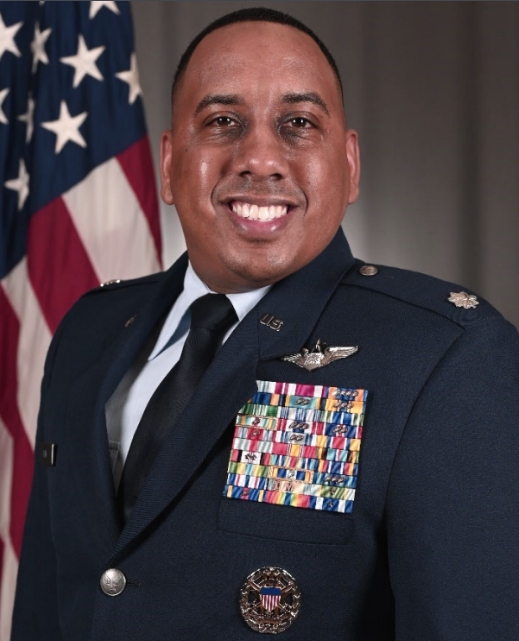
(YourDigitalWall Editorial):- Santa Rosa Beach, Florida Aug 16, 2026 (Issuewire.com) – Brent Byng, a senior military leader and operations executive with more than 27 years of experience, is drawing attention for the way he has translated advanced training technology into lasting organizational change. Known for converting strategy into measurable results, Brent Byng has spent his career guiding large teams and complex portfolios through periods of growth and transformation.
His latest recognition centers on a theme that has defined much of his professional life: the movement from virtual training environments to tangible, real-world impact. That philosophy, refined over decades of military and enterprise leadership, now stands as a model for organizations seeking to modernize outdated systems and processes.
The approach is straightforward in concept but difficult to execute well. It requires leaders who understand both the technical side of new tools and the human side of adoption, from the instructors teaching them to the personnel expected to trust them under real conditions.
A Career Grounded in Measurable Results
Throughout his career, Brent has managed portfolios valued at nearly $100 million while leading teams of more than 300 personnel. His work has consistently focused on optimizing performance, streamlining processes, and pushing modernization forward across large and complicated enterprises.
That focus was most visible during his time as Commander of the 19th Special Operations Squadron. In that role, he oversaw the training and graduation of more than 2,700 mission-ready operators annually, a scale of responsibility that required both precision and adaptability.
From Simulation to Squadron Success
It was in this command position that Brent Byng introduced simulation and virtual reality platforms into the training pipeline. The shift was not simply about adopting new tools; it was about rethinking how skills are built and retained under pressure.
The results were measurable. Efficiency increased, knowledge retention improved, and instructor workload dropped significantly. For an organization training thousands of operators each year, these gains carried real operational weight, freeing experienced personnel to focus on higher-level instruction rather than repetitive fundamentals.
This experience shaped a broader belief that Brent continues to apply today: technology should serve as a bridge between preparation and performance, not a replacement for either.
Colleagues who worked alongside him during this period point to his willingness to test new methods without losing sight of the mission. Every new platform was measured against a simple question: does it make operators more capable and more ready. If the answer was unclear, the tool was refined further before wider rollout.
Extending Impact Beyond Operations
Brent’s influence has never been confined to a single squadron or unit. As Special Assistant to the Chairman of the Joint Chiefs of Staff, he worked alongside senior defense officials, White House staff, and international partners.
In that capacity, he helped strengthen alliances and expand cooperation on matters of global security. The role demanded a different kind of leadership, one built on diplomacy, coordination, and long-term strategic thinking rather than direct command.
Moving between operational command and strategic policy work gave Brent Byng a rare perspective: an understanding of how decisions made at the highest levels eventually reach the people executing them on the ground.
Mentorship and a Culture of Accountability
Beyond his operational and diplomatic achievements, Brent has built a reputation as a mentor to mid- and senior-level leaders. He has focused on fostering accountability, innovation, and excellence within the teams he has led.
That commitment to development extends to his own education as well. His academic background includes advanced degrees in operations management and military arts, and he is currently pursuing a Doctor of Strategic Leadership. For Brent, professional growth has never been a finished process; it remains ongoing, even after decades of accomplishment.
Those who have worked under his leadership describe a consistent approach: set clear expectations, provide the resources needed to meet them, and hold people accountable without micromanaging the details. That balance, he has said, is what allows teams to innovate rather than simply follow orders.
A Vision for Modernizing Complex Systems
With more than 2,000 flight hours, half of them logged in combat, Brent Byng brings a rare combination of hands-on experience and strategic vision to any organization he supports. His career spans command, diplomacy, training, and enterprise management, giving him a broad view of how systems succeed or fail.
That breadth is central to his current approach to modernization. Rather than treating technology adoption as an isolated project, Brent views it as part of a larger cycle: identify inefficiencies, introduce the right tools, measure the outcomes, and refine the process based on real feedback.
It is a method built on the same principles that guided his work with simulation and virtual reality training years ago. Start with a clear operational need, apply technology with purpose, and let measurable results guide the next step.
Looking Ahead
As organizations across industries continue to face pressure to modernize aging systems and processes, leaders with Brent Byng’s combination of military discipline and enterprise experience are increasingly sought after. His track record suggests that meaningful transformation rarely comes from technology alone; it comes from leadership that knows how to apply it with purpose.
Brent Byng’s continued work in this space reflects a broader trend among organizations that are looking beyond quick fixes toward durable, well-managed change. For teams navigating similar challenges, his career offers a clear example of what disciplined modernization can look like in practice.
About Brent Byng
Brent Byng is a seasoned operations executive, senior military leader, and decorated U.S. Air Force officer with more than 27 years of experience guiding organizations through growth, transformation, and global challenges. He has built a strong reputation for converting strategy into measurable results, leading teams of more than 300 personnel, and managing portfolios valued at nearly $100 million. As Commander of the 19th Special Operations Squadron, he directed the training and graduation of more than 2,700 mission-ready operators each year and introduced simulation and virtual reality platforms that improved efficiency and knowledge retention. He later served as Special Assistant to the Chairman of the Joint Chiefs of Staff, working with senior defense officials and international partners to strengthen global security cooperation. With more than 2,000 flight hours, half of them in combat, and advanced degrees in operations management and military arts, along with an ongoing Doctor of Strategic Leadership, Brent Byng continues to bring operational insight and vision to every role he undertakes.
This article was originally published by IssueWire. Read the original article here.