

(YourDigitalWall Editorial):- Xian, Shaanxi Mar 12, 2026 (Issuewire.com) – What Device is Used to Measure the Flow of Wastewater?
There is no doubt that wastewater measurement is a challenging problem for corrosive and humid environments. Flow levels are significantly different for the sake of inflow and infiltration, especially in partially filled open-channel pipes. In addition, control and measurement of effluent, additives, and sludge grow weighing in wastewater treatment processes. The following flow meters are suitable for wastewater treatment.
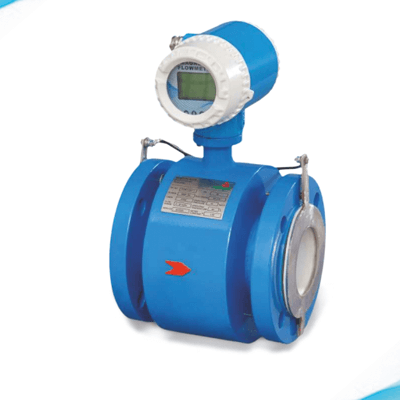
1. Electromagnetic Flow Meters
Electromagnetic flow meters operate following Faraday’s law of electromagnetic induction. In other words, the measured medium, like fluids or gases, is perpendicular to the direction of magnetic lines of force flow. As a consequence, the direction of flow and magnetic lines of force are perpendicular to the medium for the generation of an induced electric potential.
Magnetic flow meters are durable for devoid of moving parts, winning appreciation from seasoned users in demanding environments. They excel in monitoring and adjusting wastewater with sufficient conductivity; shortcomings in non-conductive fluids limit applications in those fields.
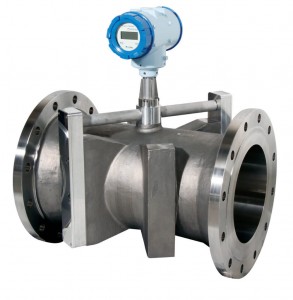
2. Ultrasonic Flow Meters
Sound waves generated by ultrasonic flow meters are applied in flow rate measurement of various media, such as gases, liquids, or steam. It adapts well to different pipelines, varied in diameter and fluids at different temperatures. An ultrasonic flow meter is reliable and durable due to the absence of moving parts, pressure loss, and inner obstruction. It could be installed and calibrated without interruption of normal operation. Nevertheless, it requires cleaner fluids for higher accuracy, so that bubbles and impurities should be eliminated as much as possible.
If someone intends to measure the flow of open channels without interruption to the flow itself, an ultrasonic flow meter is one of the best options. It’s useful in monitoring influent and effluent wastewater where sediment and particulates are still within the range of manageable. Moreover, it does not require pipe modification and direct contact with fluids.
3. Differential Pressure Flow Meters
A differential pressure flow meter works in flow measuring via a pressure difference passing through a flow restriction in the pipe. It’s a versatile device in practical applications, especially for high-pressure and temperature fluids. It features a longer lifespan just for the sake of a simple structure and high reliability. However, its limitation rests on larger pressure loss and higher requirements for fluid cleanliness.
Measurement of steam flow is a case of DP flow meters in application. They work well in high-temperature environments and provide accurate readings. An oil refinery is another application of a DP flow meter to monitor steam flow in high-pressure pipelines. It offers reliable measurements even under demanding conditions, making contributions to efficient process control and safety management.
4. Turbine Flow Meters
A turbine flow meter works by tracing the rotations of a turbine positioned in flowing fluids. Then calculate flow rates with both rotational speed and fluid density. It stands out in high accuracy, quick response, and extensive lifespan, making it a suitable choice for various gas and liquid measurements. However, it is not recommended for viscous and corrosive fluids.
It’s common in a chemical processing facility for its prompt responsiveness of the meter, which allows operators or plants to adjust processes in real-time to keep efficient operation and product quality.
5. Mass Flow Meters
Parameters like pressure, temperature, density, and viscosity could be measured directly by a mass flow meter, performing well in offering accurate and stable readings in measuring different masses of various fluids. However, calibration and maintenance should be executed regularly to avoid deviations caused by constantly changing environments. Similarly, it doesn’t recomended for fluids with excess impurities and sediments.
It is often used to trace the flow of ingredients in a food processing plant for the purpose of accurate measurement. In such a case, the facility is able to keep product consistency and quality following strict industry regulations.
6. Thermal Mass Flow Meter
A thermal mass flow meter, based on heat transfer principles, features a heating element in the pipe, in which temperature fluctuations of the fluid are measured when passing over the heating element. Then the flow of gases or air could be calculated to correspond. Despite high accuracy and reliability, a thermal mass flow meter could not be used for viscous or corrosive gases.
Energy efficiency is critical in many industries. Air flow rates could be measured by a thermal mass flow meter in an HVAC system. Furthermore, such systems could be ensured to operate within the designed specifications.
All in all, choosing a device for wastewater treatment is a strategic decision, not merely involving technical problems. The decision also influences the efficiency and compliance of treatment processes. Figure out the nuances among various flow meters after an in-depth understanding of their strengths and weaknesses. And you will benefit from careful assessment of the specific needs of your wastewater system and unique characteristics in practical applications. Select the most efficient solution as per the detailed requirements. With the right tools at your disposal, you’ll be well-equipped to navigate the complexities of wastewater flow measurement with confidence.
Media Contact
LONNMETER GROUP
+86 18092114467
Operations Center:Room 202, Unit 4, Building 1, Jiaotong Nanyuan, No.12 Chang ‘an South Road, Yanta District, Xi ‘an City, Shaanxi Province
This article was originally published by IssueWire. Read the original article here.


