(YourDigitalWall Editorial):- Jinan, Shandong May 23, 2026 (Issuewire.com) – This comprehensive analysis explores why the Southeast Asian biomass market increasingly depends on advanced thermal processing solutions and how robust engineering bridges the gap between raw waste and premium bio-energy products.
What Unique Operational Challenges Face the Southeast Asian Biomass Processing Sector?
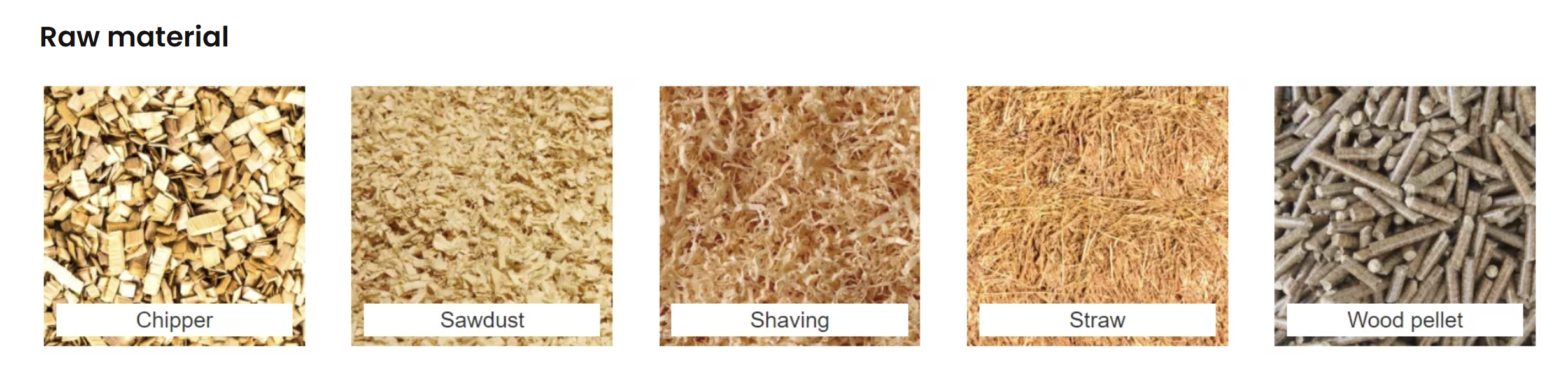
As the global transition toward sustainable energy accelerates, Southeast Asia has emerged as a critical hub for biomass resource utilization. The region’s vast agricultural and forestry residues, including wood chips, sawdust, palm oil waste, and agricultural stalks, present immense potential for clean pellet production. However, converting these raw, high-moisture organic materials into high-quality solid fuel requires sophisticated industrial processing technology. Frequently asked questions regarding industrial thermal processing often point toward optimizing drying efficiency and material stability. As a recognized China Top Rotary Dryer Manufacturer, Shandong Bolida Machinery Co., Ltd. addresses these core industry bottlenecks.
The biomass processing environment in Southeast Asia is characterized by unique climatic conditions and distinct raw material properties that differentiate it from European or North American contexts. The primary operational challenges include high ambient humidity, heavy seasonal rainfall, and a high initial moisture content in raw organic waste. For instance, freshly harvested rubberwood chips, sawdust, and empty fruit bunches (EFB) from palm oil production frequently exhibit moisture levels ranging from 50% to over 60%. Processing materials with such extreme moisture contents requires industrial equipment capable of uniform thermal transfer without degrading the organic fibers.
Standard single-pass drying systems often struggle under these conditions, resulting in uneven drying, high fuel consumption, and an increased risk of internal blockages or fires. Inconsistent moisture levels in post-dried materials impair subsequent pelletization or briquetting processes, leading to structural defects in the final fuel products and decreased thermal output. Consequently, regional processing plants require industrial drying systems designed specifically to handle high-volume, high-moisture materials while maintaining energy efficiency and reliable throughput despite fluctuating ambient conditions.
Why Is Advanced Thermal Regulation Crucial for High-Moisture Solutions?
Drying biomass is not merely a process of heating material to evaporate water; it is a complex thermodynamic balancing act. If the temperature inside the drying chamber is too high, the volatile organic compounds within the biomass can ignite, resulting in material loss and safety hazards. Conversely, if the temperature is insufficient or the retention time is too short, the core moisture of the biomass particles remains unevaporated, causing the material to clog conveying systems and diminish the mechanical integrity of the pellets during compression.
To overcome these challenges, high-moisture solutions must utilize multi-stage thermodynamic zoning. By exposing the wet biomass to varying levels of thermal energy as it moves through the system, the equipment ensures that surface moisture evaporates rapidly during the initial phase, while internal structural moisture is progressively drawn out without scorching the material. This precise control over heat distribution and retention time prevents thermal degradation, preserves the binding properties of natural lignin within the biomass, and optimizes the energy required per kilogram of evaporated water.
What Mechanical Innovations Define the Three-Cylinder Rotary Dryer Design?
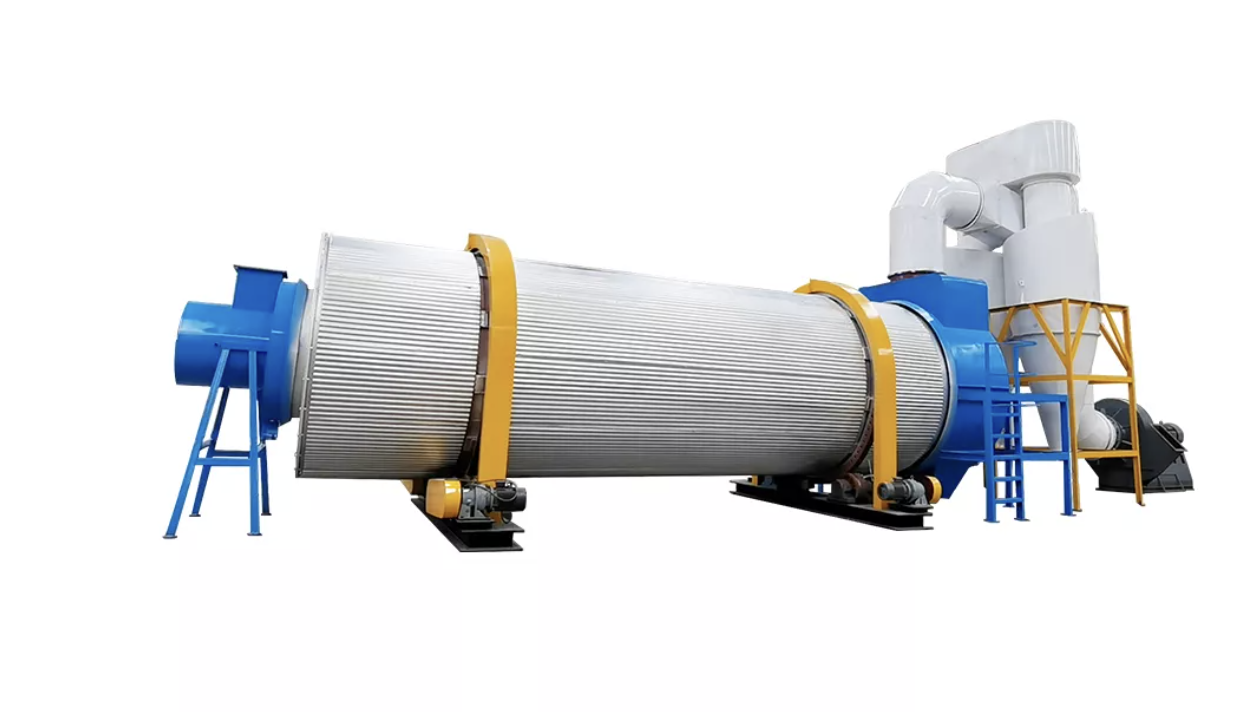
The cornerstone of efficient high-moisture biomass drying lies in the internal structural engineering of the BOLIDAMACHINERY‘s drum system. The three-cylinder rotary dryer represents a major structural advancement over traditional single-drum designs. The machine utilizes a nested configuration comprising three concentric cylinders–inner, middle, and outer layers–engineered to maximize thermal efficiency within a minimized physical footprint.
The material and hot air stream enter the inner cylinder first, where they experience intense, high-temperature heat exchange. As the material moves forward, it is deflected into the middle cylinder, reversing its direction. Finally, the material enters the outer cylinder, reversing once more before discharging. This triple-pass design effectively triples the heat exchange path length compared to a single-stage drum of equal physical length. The nested structure retains heat within the inner layers, significantly reducing radiative heat loss from the outer shell to the surrounding atmosphere. Special lifting plates installed inside each cylinder continuously lift and scatter the biomass, creating a dense, uniform material curtain that ensures optimal contact with the heated air flow.
How Do Integrated Production Lines Improve Overall Operational Biomass Efficiency?
An industrial drying system does not operate in isolation; its performance is deeply connected with the auxiliary processing steps preceding and following the thermal phase. To achieve maximum operational efficiency, biomass facilities must establish a seamless link between size reduction, moisture control, and densification. If the raw material is not cut and crushed to uniform dimensions prior to entering the rotary dryer, particles of varying sizes will dry unevenly, leaving large fragments damp while fine sawdust becomes over-dried.
By pairing precision cutting and crushing machinery with triple-pass drying systems, operators ensure that the material entering the drum features a consistent physical profile. This uniformity allows for predictable material flight and heat penetration during the drying cycle. Following the thermal treatment, the stabilized material is transferred immediately at optimum temperature to high-pressure pellet mills or block pressing equipment. Utilizing an integrated line prevents the material from re-absorbing moisture from the atmosphere, preserves thermal energy, and reduces the cumulative mechanical power required across the entire factory, thereby lowering production costs per metric ton.
What Long-Term Value Does Robust Engineering Deliver to Regional Investors?
For investors and project developers within the Southeast Asian biomass market, capital equipment procurement depends on long-term structural reliability and operational cost predictability. Industrial machinery must withstand continuous high-temperature exposure, mechanical abrasion from mineral impurities in agricultural residues, and chemical corrosion caused by volatile organic acids released during drying. Equipment constructed with subpar materials or poor structural engineering leads to premature shell deformation, frequent bearing failures, and high maintenance downtime, erasing any initial cost savings.
The long-term value delivered by robust manufacturing is achieved through heavy structural frames, high-alloy thermal-resistant steel plates, and precision-balanced drive mechanisms. By reducing structural wear and maximizing heat retention, these engineering choices extend the operational lifespan of the core machinery well beyond industry averages. This mechanical durability, combined with verified reductions in daily fuel and electrical power consumption, accelerates the return on investment for biomass production facilities. In a market where profit margins are closely tied to raw material processing costs and global pellet market prices, highly efficient and structurally sound machinery provides processing plants with a distinct competitive advantage.
For detailed technical consultations, system specifications, and global case studies, visit the official corporate portal at https://www.biopelletmachinery.com/.
This article was originally published by IssueWire. Read the original article here.