

(YourDigitalWall Editorial):- Quanzhou, Fujian Sheng Mar 19, 2026 (Issuewire.com) – Why JINGZHUN is a High Quality Electronic Yarn Storage Feeder Factory From China: A Technical Review
The global textile industry in 2026 is defined by a relentless drive toward automation and precision. As knitting speeds increase and fabric quality standards become more stringent, the role of peripheral machinery–specifically yarn feeding systems–has transitioned from basic mechanical support to advanced electronic regulation. Achieving consistent yarn tension while minimizing energy consumption is the primary challenge for modern textile mills. In this context, identifying a High Quality Electronic Yarn Storage Feeder Factory From China is a strategic necessity for manufacturers seeking to bridge the gap between high-volume output and flawless fabric construction. The evolution of electronic storage feeding represents a shift toward “smart” textile production, where real-time data and responsive motor control replace manual adjustments.
Technical Precision in Electronic Yarn Storage
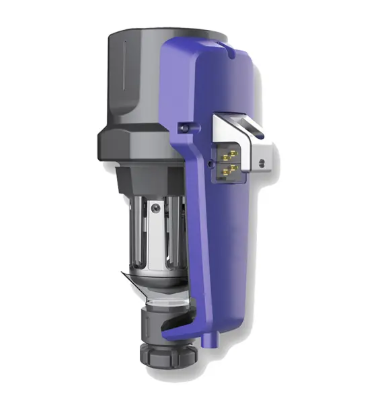
The Electronic Yarn Storage Feeder developed by JINGZHUN is engineered to meet the rigorous demands of high-speed knitting environments. Operating at a standard voltage of DC60V, the unit demonstrates exceptional energy efficiency. While its maximum power capability reaches 60W to handle sudden load changes, its average power consumption remains a modest 17W, depending on the specific application. This low-power profile is a critical advantage in large-scale facilities where hundreds of feeders operate simultaneously, contributing to a meaningful reduction in total factory utility costs and thermal load.
Mechanical specifications further highlight the unit’s versatility. With a yarn storage drum diameter of 60mm, the feeder is capable of handling a wide array of yarn types, supporting a diameter allowance ranging from 20D to 1000D. This broad compatibility ensures that textile producers can switch between delicate fine-gauge knits and heavier industrial textiles without replacing their feeding infrastructure. In terms of performance, the feeder supports a maximum yarn feeding speed of 1100 meters per minute, ensuring that it never becomes a bottleneck for the fastest modern circular or flat knitting machines.
One of the most significant advantages of this electronic system is its integrated sensor array. Unlike traditional mechanical feeders, this electronic storage solution utilizes a sophisticated sensor system that continuously monitors and calculates the average yarn consumption rate. By feeding this data back to the internal controller, the motor speed is adjusted dynamically to maintain a stable yarn reserve on the drum. This ensures that the yarn tension remains perfectly adjustable and constant, which is the most effective way to eliminate fabric faults such as horizontal stripes or uneven density. Furthermore, the unit features a high-visibility alarm light, allowing operators to identify and resolve issues instantly across a vast production floor.
Compact Design and Operational Versatility
Design efficiency is a hallmark of JINGZHUN’s engineering philosophy. The Electronic Yarn Storage Feeder boasts compact dimensions, measuring just 245*80*110mm and weighing only 1.8 kg. This reduced footprint is essential for modern knitting machines where space around the cylinder or bed is limited. The lightweight nature of the unit reduces the structural load on the machine’s supporting ring, while the flexible installation options–allowing for both vertical and inclined positioning–ensure it can be integrated into virtually any machine configuration.
Beyond the hardware, the operational benefits translate directly to the bottom line of textile enterprises. By ensuring a smoother yarn flow and reducing the frequency of yarn breakage, the feeder increases overall machine efficiency. Fewer fabric faults mean less waste and higher-grade output, which is particularly vital for producers targeting the premium apparel and technical textile markets. The ability to fine-tune tension for specific yarn types provides the flexibility needed for the diverse production cycles typical of the 2026 fashion industry.
Two Decades of Manufacturing Excellence
Selecting a partner in the textile machinery sector requires a focus on longevity and proven R&D capabilities. Quanzhou Jingzhun Machine, located in the industrial hub of Quanzhou, was founded in 2002 and has since evolved into a National High-tech enterprise. For over 20 years, the company has focused on the manufacturing and export of a comprehensive range of knit machine accessories. As a China Best Positive Yarn Feeder Manufacturer, the organization has built a reputation for quality that is backed by significant regional honors, including being recognized as a “Fujian Province specialized in special new enterprise” and a “science and technology small giant leading enterprise.”
Spanning an area of 35,000 square meters, the Jingzhun factory is equipped with advanced production machinery and standardized inspection facilities. This infrastructure allows the company to maintain a scientific management approach that ensures consistency across large production volumes. The company’s growth is fueled by a strong R&D team and a workforce dedicated to technical refinement. This commitment to research has allowed the company to stay ahead of market trends, transitioning from basic mechanical components to the sophisticated electronic systems that define the industry today.
Global Reach and Industry Competitiveness
The competitive landscape for textile accessories is global, and Jingzhun has successfully established a footprint in the world’s most demanding markets. As a China Leading Positive Yarn Storage Feeder Supplier, the group’s export network extends through European countries like Germany, Italy, and Portugal, as well as key Asian textile hubs including India, Thailand, Malaysia, Pakistan, and Turkey. The brand’s presence in South America–specifically Brazil, Peru, and Columbia–and Australia further underscores its ability to meet diverse international standards and varying environmental conditions.
The company’s competitiveness is not just derived from its product specifications, but from its holistic approach to the supply chain. By managing both the manufacturing and export processes, Jingzhun ensures that technical feedback from international clients is directly integrated into future product iterations. This feedback loop is essential for maintaining high-quality standards in an industry where minor technical flaws can lead to significant production losses. The company’s abundant technical force and full-equipped inspection facilities provide the baseline for this reliability, ensuring that every spare part meets the rigorous requirements of global textile machinery.
Future Directions in Textile Machinery
Looking toward the future of the knitting industry, the integration of digital monitoring and energy-efficient hardware will continue to be the primary focus. The transition from manual tension control to sensor-driven electronic feeding is just the beginning. As factories become more “connected,” the data generated by electronic feeders–such as yarn consumption rates and motor performance–will likely play a larger role in predictive maintenance and production planning.
Jingzhun Machine remains committed to the objective of advancing solar and green-energy-adjacent efficiencies where possible, innovating within the textile spare parts sector to ensure that machines run smoother and last longer. By focusing on “green energy for our lives” and sustainable industrial practices, the company helps its clients reduce their environmental footprint through improved efficiency and reduced waste. The choice of a reliable accessory supplier is, therefore, a choice for a more sustainable and technologically advanced human society.
The synergy between traditional manufacturing expertise and modern electronic engineering allows for the creation of components that are both robust and intelligent. As the global market for knitted goods continues to diversify, the requirement for precision in the “micro” aspects of production–such as the way a single strand of yarn is stored and fed–will determine the success of “macro” industrial operations. Relying on a manufacturer with a 20-year pedigree ensures that these critical technical details are managed with the highest degree of professionalism and care.
The current industrial era demands a transition from simple hardware to integrated solutions that offer measurable improvements in yield and quality. By combining low power consumption with high-speed capabilities and intelligent sensor feedback, electronic yarn storage feeders are setting a new benchmark for the knitting industry. Organizations that prioritize these technical advantages, supported by a partner with extensive R&D and export experience, are best positioned to navigate the complexities of the modern textile market and contribute to a more efficient, pollution-free global environment.
Through continuous innovation and a commitment to standardized quality, the focus remains on empowering textile mills to achieve their full potential. The reliability of these systems is a testament to the decades of experience poured into their development, ensuring that the global textile supply chain remains resilient and responsive to the needs of the future.
This article was originally published by IssueWire. Read the original article here.


