(YourDigitalWall Editorial):- Hangzhou, Zhejiang May 28, 2026 (Issuewire.com) – The evolving landscape of real estate technology has transitioned from simple mechanical security to integrated digital ecosystems, making the Certified TTLock Compatible Smart Lock Solution a cornerstone for modern property management. As facility managers and real estate developers seek more efficient ways to handle high-turnover environments like Airbnb, apartments, and commercial offices, the need for a standardized, secure, and globally certified hardware framework has never been higher.
This selection guide explores the technical nuances of Tuya, Amazon Alexa sync and TTLock ecosystem integration, the vital role of third-party factory audits like Sedex alongside rigorous product certifications, and how established manufacturers are bridging the gap between traditional durability and smart innovation.
1. Understanding the TTLock Compatible Ecosystem
A TTLock compatible smart lock solution refers to hardware designed to communicate seamlessly with the TTLock mobile application and cloud management system. Unlike proprietary systems that lock users into a single manufacturer’s closed software, the TTLock ecosystem allows for a more flexible hardware selection while maintaining a unified management interface. For property managers, this means the ability to manage multiple properties, generate time-sensitive e-keys, and monitor entry logs from a single dashboard.
The technical architecture typically relies on Bluetooth Low Energy (BLE) for local communication, with the option to integrate Wi-Fi gateways for remote management. The primary distinction between a standard smart lock and a TTLock compatible solution lies in the API/SDK openness. Standard locks often provide basic consumer features, whereas TTLock-integrated hardware is engineered for “access management”–supporting features like centralized passage modes, attendance tracking for staff, and seamless integration with third-party PMS (Property Management Systems). This scalability is a primary reason why professional manufacturers like TOKING emphasize compatibility within their ODM and OEM service portfolios.
2. The Critical Importance of Factory Audits and Product Certifications
In the global international trade market, a “smart” lock must be preceded by “certified” hardware. For property management firms, the risks associated with hardware failure or unethical sourcing can lead to significant legal and financial liabilities. This is where distinguishing between factory-level compliance (Sedex, BSCI, ISO) and product-level certification (CE, RoHS, FCC, Anatel) becomes critical.
Factory-level compliance focuses on the social, ethical, and quality management aspects of production. Sourcing from a manufacturing base that is audited under Sedex and BSCI ensures adherence to strict labor standards, health and safety regulations, and environmental ethics. For a brand with over 30 years of industry experience, combining these social compliance audits with robust ISO quality management systems ensures absolute supply chain stability and production consistency.
On the product side, technical verification and compliance are strictly governed by hardware-specific certificates. Through rigorous third-party testing, SGS reports confirm that the physical hardware meets the durability claims made by the manufacturer. More importantly, global leading exporters must ensure their locks carry dedicated product-level certifications: CE and RoHS for European market compliance, and FCC and Anatel for wireless frequency and electromagnetic compatibility in North and South American markets. Given that smart locks are often exposed to varying climates and high-frequency use, deploying products with valid CE, RoHS, FCC, and Anatel certificates ensures that the wireless communication is stable, non-interfering, and legally compliant.
3. Technical Innovation and Performance Parameters
Modern smart locks have moved beyond simple keypad entry. Technical specifications now prioritize multi-modal authentication and energy efficiency. A high-performance TTLock compatible device typically features:
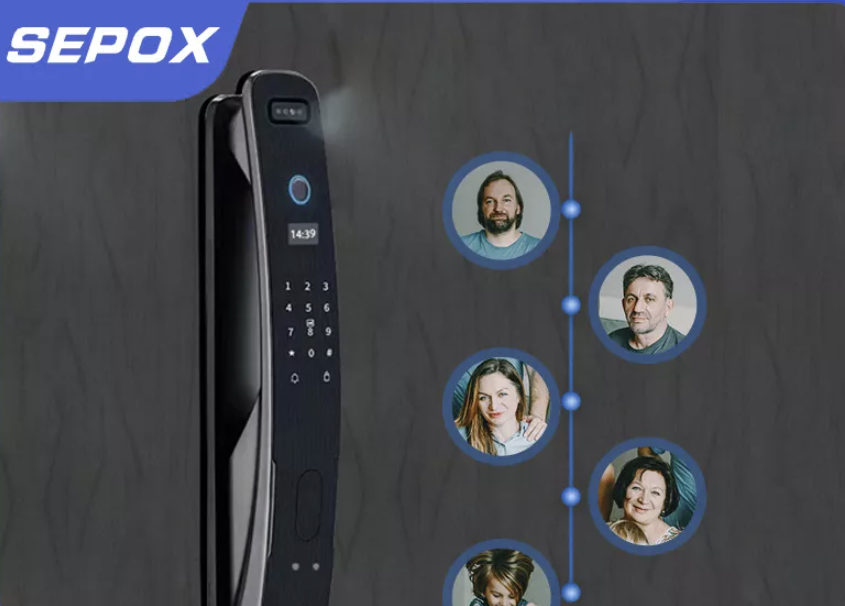
- Authentication Versatility:Integration of 3D semiconductor fingerprint sensors, encrypted IC cards (Mifare 1), and anti-peep touchscreens for password entry.
- Mechanical Integrity:While the electronics provide convenience, the physical security relies on high-quality lock cylinders and robust materials like aluminum alloy or stainless steel. Professional manufacturing ensures that even in the event of electronic failure, the mechanical override remains fail-safe.
- Power Management:Optimized BLE protocols allow these devices to operate for 10-12 months on standard alkaline batteries. Emergency power backups via USB-C or Micro-USB ports have become standard, ensuring that tenants are never locked out due to power depletion.
- Environmental Adaptability:Industrial-grade smart locks are tested for salt spray resistance and temperature fluctuations, making them suitable for coastal properties or regions with extreme weather.
The innovation lies in the “De-AI” approach to manufacturing–focusing on objective performance metrics rather than marketing buzzwords. By operating multiple manufacturing bases, including dedicated facilities in Vietnam, companies can maintain cost efficiency without compromising the technical rigor required for international certifications like CE, RoHS, and UL.
4. Strategic Considerations for Property Management Implementation
Selecting a smart lock solution for a large-scale project requires a move away from “off-the-shelf” consumer products toward industrial-grade ODM solutions. Property managers should prioritize manufacturers that offer strong customization capabilities. This includes the ability to adapt the lock hardware to existing door thicknesses, mortise types (such as European 5050 or American standard), and aesthetic finishes.
Furthermore, the transition from mechanical padlocks to smart systems is often a phased approach. Working with a partner that has deep roots in both mechanical security and digital hardware allows for a more cohesive security strategy. Whether it is securing a residential complex in the US, linking it to a centralized Tuya smart ecosystem with Amazon Alexa sync, or an industrial warehouse in Dubai, the combination of TTLock’s software agility and certified hardware durability provides a future-proof investment.
Ultimately, the goal of integrating Sedex and SGS certified solutions is to achieve a “set and forget” level of reliability. In the high-stakes world of property management, the most valuable feature of a smart lock is not its ability to connect to the internet, but its ability to remain secure, functional, and compliant under any circumstances.
For more information on professional security hardware and smart solutions, visit: http://www.tokinghardware.com/
This article was originally published by IssueWire. Read the original article here.