(YourDigitalWall Editorial):- Wenzhou, Zhejiang Apr 21, 2026 (Issuewire.com) – The bustling environment of a professional kitchen or a high-volume food processing facility leaves little room for equipment failure. Imagine a mid-sized seafood distributor during peak season: the floor is stacked with perishable inventory, and the delivery windows are tightening. Suddenly, the entry-level vacuum sealer–purchased to save on initial capital expenditure–begins to lose its suction consistency. Seals become compromised, leading to premature spoilage and catastrophic product loss. For many businesses, the allure of budget-friendly hardware often masks the hidden costs of operational downtime and decreased shelf stability. In the competitive landscape of food preservation, selecting a Commercial Vacuum Sealing Machine is not merely a purchase of a tool, but a strategic decision that impacts the long-term viability and safety of the product line.
The True Cost of Entry-Level Alternatives
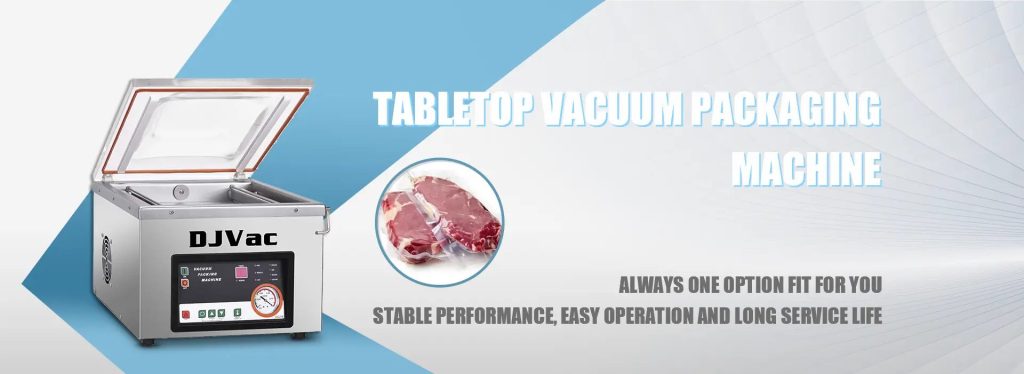
While budget alternatives attract startups with lower initial price points, they frequently fail to meet the rigorous demands of industrial environments. These machines are often constructed with lighter-grade materials and undersized vacuum pumps that struggle to maintain performance during continuous, back-to-back work cycles. In contrast, professional-grade equipment, such as that produced by DJPACK (Wenzhou Dajiang Vacuum Packaging Machinery Co., Ltd.), is specifically engineered for the high-intensity requirements of global trade and heavy-duty industrial use.
When evaluating the Total Cost of Ownership (TCO), businesses must look far beyond the initial sticker price on the invoice. TCO encompasses the cumulative expenses of operating, maintaining, and eventually replacing a machine over its entire lifecycle. A budget-friendly unit often hides a mountain of invisible costs: more frequent emergency repairs, higher consumption of electricity per cycle, and a significantly shorter operational lifespan that forces premature replacement. Furthermore, the lack of precision in cheaper components can lead to a higher rate of failed seals, resulting in expensive product waste and potential hits to brand reputation. Conversely, investing in mature technology ensures that the machine structure is optimized for long-term stability and resilience. Established manufacturers focus on a holistic engineering approach: increasing packaging output while simultaneously reducing energy overhead. By minimizing unplanned downtime and maximizing the yield of sellable goods, professional equipment creates a direct, positive link between machine quality and a company’s final profit margins.
1. Efficiency and High-Volume Output
In industrial packaging, time is the most valuable commodity. The efficiency of a vacuum sealing process is defined by the speed of the vacuum cycle and the reliability of the thermal seal. Standard budget units often require cool-down periods between cycles to prevent the sealing bars from overheating. This creates bottlenecks in the production line, slowing down the entire workflow and reducing the overall volume of goods ready for market.
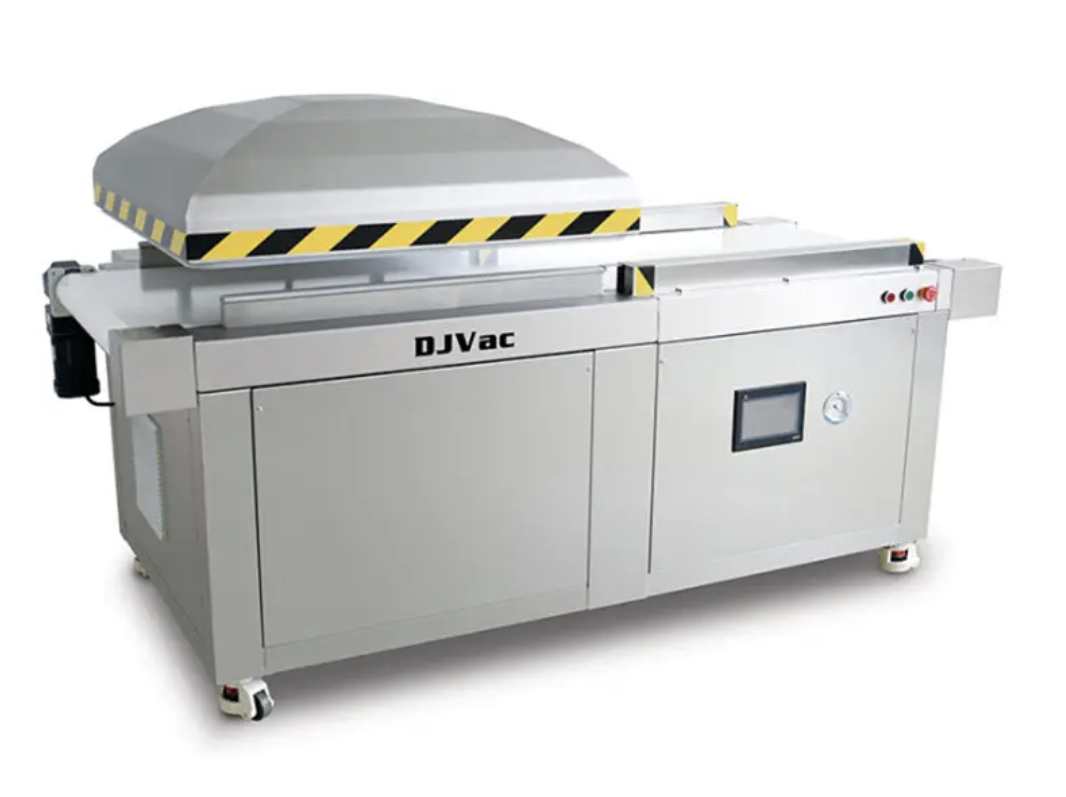
Advanced systems, like the DZ-780/QF Automatic Continuous Vacuum Packaging Machine, utilize a rolling conveyor belt system to eliminate these pauses. By allowing for a continuous feed of products, these machines significantly outperform manual-load alternatives. The integration of high-performance pumps ensures that the desired vacuum level is reached rapidly and consistently, which is critical for maintaining the organoleptic properties of the food. For businesses handling large volumes of meat, poultry, or prepared meals, the transition from batch processing to continuous automated sealing represents a major leap in operational throughput.
2. Product Longevity and Profit Margins
The primary function of any vacuum packaging system is to extend the shelf life of the contents. A cheap seal that allows even a trace amount of oxygen to penetrate the bag will result in freezer burn or bacterial growth, leading to waste. In the B2B sector, where reputation is built on the freshness of delivered goods, a single batch of spoiled product can result in lost contracts that far outweigh the savings of a budget machine.
DJPACK’s equipment is designed with a focus on “Quality First,” adhering to international standards such as CE, MET, and TUV. These certifications are not just administrative hurdles; they are benchmarks of electrical safety and mechanical reliability. By ensuring a perfect hermetic seal every time, professional machines help businesses maximize their profit margins by reducing waste and allowing for wider distribution windows. Furthermore, the ability to customize packaging equipment according to specific customer requirements means that the machinery can be fine-tuned for unique product shapes or delicate textures, ensuring the integrity of the product is never compromised.
Technical Innovation and Structural Integrity
The difference between a specialized industrial manufacturer and a generalist brand lies in the depth of their technical expertise. Founded in 1995, Wenzhou Dajiang Vacuum Packaging Machinery has spent decades refining the structural logic of its equipment. This experience manifests in machines that are easier to clean, simpler to maintain, and more resilient to the humid or cold environments typical of food processing plants.
Technical features such as programmable logic controllers (PLC) and touch-screen interfaces allow operators to set precise parameters for vacuum time, sealing temperature, and cooling time. This level of control is rarely found in budget models, which often rely on simplified, fixed settings. For specialized applications like modified atmosphere packaging (MAP) or vacuum skin packaging, the technical precision offered by an established brand is indispensable. By mastering advanced packaging technology, manufacturers can offer machines that achieve higher packaging output with lower energy consumption, directly supporting the sustainability goals of modern enterprises.
Conclusion: A Strategic Asset for Global Markets
Choosing the right packaging partner is essential for companies looking to compete on a global scale. With production facilities in Wenzhou and Nanjing, and a footprint that spans Europe, North America, and Australia, the focus on “Integrity-Based” service ensures that the machinery remains a productive asset for years. Whether it is a small workshop or a large-scale industrial factory, the transition to a professional-grade Commercial Vacuum Sealing Machine is an investment in consistency, safety, and long-term growth.
By prioritizing technical innovation and quality over short-term savings, businesses can secure their production lines against the risks of equipment failure and product loss. In the world of industrial vacuum packaging, the most expensive machine is the one that stops working when you need it most.
For more information on industrial packaging solutions, please visit: https://www.djvacpack.com/
This article was originally published by IssueWire. Read the original article here.