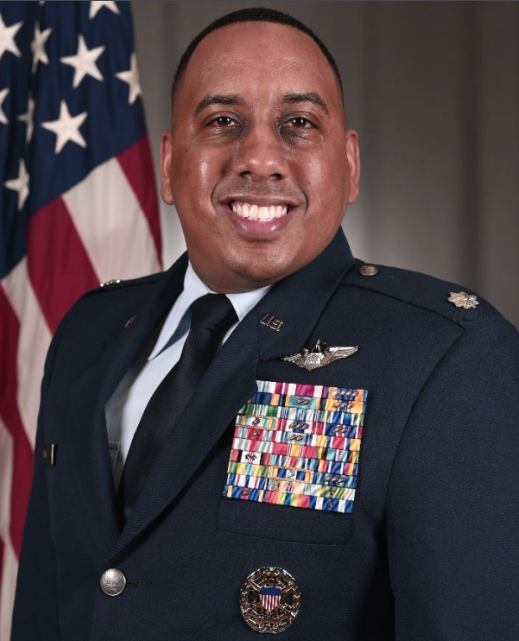
Brent Byng draws on 27+ years of leadership experience to explore how AI can boost productivity while preserving accountability and human oversight.
(YourDigitalWall Editorial):- Santa Rosa Beach, Florida Jul 24, 2026 (Issuewire.com) – Organizations across the public and private sectors continue to evaluate how artificial intelligence can improve productivity, strengthen decision-making, and support long-term growth. In response to growing interest in practical applications of AI in leadership and operations, an executive insights initiative featuring senior operations executive and military leader Brent Byng has been launched to examine how organizations can responsibly integrate AI-driven tools into leadership, workforce management, and enterprise operations.
The initiative will focus on the role of artificial intelligence in improving organizational performance while maintaining accountability, transparency, and human oversight. Drawing on more than 27 years of experience leading complex organizations, Byng will contribute insights based on his background in operations management, analytics, workforce development, and enterprise transformation.
As organizations face increasing pressure to improve efficiency while managing risk, the initiative seeks to provide practical perspectives on how AI can support leaders without replacing the human judgment required for effective decision-making.
Organizations Seek Practical Approaches to AI Adoption
Artificial intelligence has become one of the most discussed technologies in business today. Yet many organizations continue to face challenges when determining how to apply AI in meaningful ways.
While enthusiasm surrounding automation and advanced analytics continues to grow, executives remain focused on achieving measurable outcomes rather than adopting technology for its own sake. Leaders are increasingly asking how AI can improve productivity, reduce inefficiencies, strengthen forecasting, and help employees perform at higher levels.
The executive insights initiative will examine these questions through the lens of operational leadership. Rather than focusing solely on technology, the program emphasizes how organizations can align AI investments with business objectives, workforce needs, and strategic priorities.
Byng’s experience managing large-scale operations, developing performance measurement systems, and implementing technology-enabled improvements provides a practical foundation for these discussions.
AI Is Reshaping the Future of Productivity
Organizations today generate enormous volumes of operational data. The challenge often lies not in collecting information but in converting it into actionable insights.
Artificial intelligence offers new opportunities to analyze information more quickly, identify patterns, and support decision-making across departments. When used effectively, AI can help leaders allocate resources more efficiently, improve forecasting accuracy, and reduce administrative burdens that slow organizational performance.
Byng believes the greatest opportunity lies in using AI to support people rather than replace them.
Throughout his leadership career, he has emphasized the importance of combining technology with human expertise. The initiative reflects that philosophy by exploring how AI can enhance the work of leaders, managers, and employees while preserving accountability and professional judgment.
Organizations that approach AI strategically are often better positioned to improve productivity without sacrificing quality, compliance, or customer service.
Enterprise Leaders Face New Workforce Challenges
Workforce expectations continue to evolve alongside technological advances. Organizations must balance efficiency with employee engagement, professional development, and long-term retention.
Many leaders now view AI as a tool that can help employees focus on higher-value responsibilities by reducing repetitive administrative work. Automating routine tasks allows teams to spend more time solving problems, serving customers, and driving innovation.
The initiative will explore how organizations can use AI-enabled systems to support workforce planning, leadership development, performance management, and succession planning.
Byng has long advocated for leadership models that invest in people while improving operational outcomes. His experience leading cross-functional teams, implementing leadership development programs, and managing enterprise operations offers valuable perspective on how technology and workforce development can work together.
Data-Driven Decision Making Continues to Gain Importance
One of the most significant benefits of AI lies in its ability to improve organizational visibility.
Business leaders increasingly rely on data to guide decisions involving staffing, budgeting, forecasting, resource allocation, and strategic planning. AI-powered analytics can process large volumes of information quickly, helping organizations identify trends and opportunities that might otherwise go unnoticed.
Byng’s professional experience reflects this data-driven approach. Throughout his career, he has implemented performance dashboards, forecasting models, and operational reporting systems that helped leaders make more informed decisions.
The initiative will examine how AI can further strengthen these capabilities by providing faster insights and improving the quality of information available to decision-makers.
Rather than replacing leadership judgment, AI can help leaders make decisions with greater confidence and clarity.
Responsible Implementation Remains Essential
Despite the opportunities AI presents, organizations must approach implementation thoughtfully.
Leaders continue to navigate concerns involving security, privacy, compliance, transparency, and ethical decision-making. The executive insights initiative recognizes that successful AI adoption requires more than technical expertise. It requires governance structures, accountability measures, and clear policies that align technology with organizational values.
Byng has consistently emphasized disciplined execution and responsible leadership throughout his career. His perspective reinforces the idea that organizations should evaluate AI investments based on measurable outcomes and long-term sustainability.
Technology should strengthen organizational capabilities rather than introduce unnecessary complexity or risk.
This balanced approach remains a central theme of the initiative.
Operational Excellence in a Technology-Driven Environment
As AI capabilities continue to evolve, organizations will likely face increasing pressure to modernize systems and processes.
However, modernization succeeds only when technology supports clearly defined objectives. The initiative will explore how leaders can evaluate emerging technologies, prioritize investments, and integrate new tools into existing operational frameworks.
Byng’s experience implementing enterprise reporting systems, digital transformation initiatives, predictive analytics, and process improvements provides practical examples of how technology can support operational excellence.
Organizations that maintain focus on outcomes rather than technology trends alone are often better positioned to achieve sustainable results.
The initiative aims to provide leaders with practical guidance for navigating these decisions in a rapidly changing business environment.
Preparing Organizations for the Next Era of Leadership
Artificial intelligence is expected to influence virtually every aspect of organizational leadership in the coming years. From strategic planning and workforce management to customer service and operational forecasting, AI-enabled tools will continue to shape how leaders make decisions.
The executive insights initiative seeks to help organizations prepare for that future by promoting thoughtful discussion around productivity, innovation, accountability, and leadership.
Byng believes successful organizations will be those that combine technological capability with strong leadership principles. Data, automation, and analytics can improve performance, but people remain at the center of every successful organization.
Leaders who understand how to integrate both elements effectively will be better equipped to guide their organizations through future challenges and opportunities.
About Brent Byng
Brent Byng is a senior military leader, operations executive, and strategic advisor with more than 27 years of experience leading complex organizations, managing enterprise operations, and driving organizational transformation. His experience includes operations management, analytics, workforce development, international partnerships, digital transformation, and executive leadership. He has overseen large-scale operations, implemented performance management systems, and developed leadership programs focused on accountability, efficiency, and long-term organizational success. Byng holds advanced degrees in Operations Management and Military Operational Arts and Science and is currently pursuing a Doctor of Strategic Leadership.
This article was originally published by IssueWire. Read the original article here.