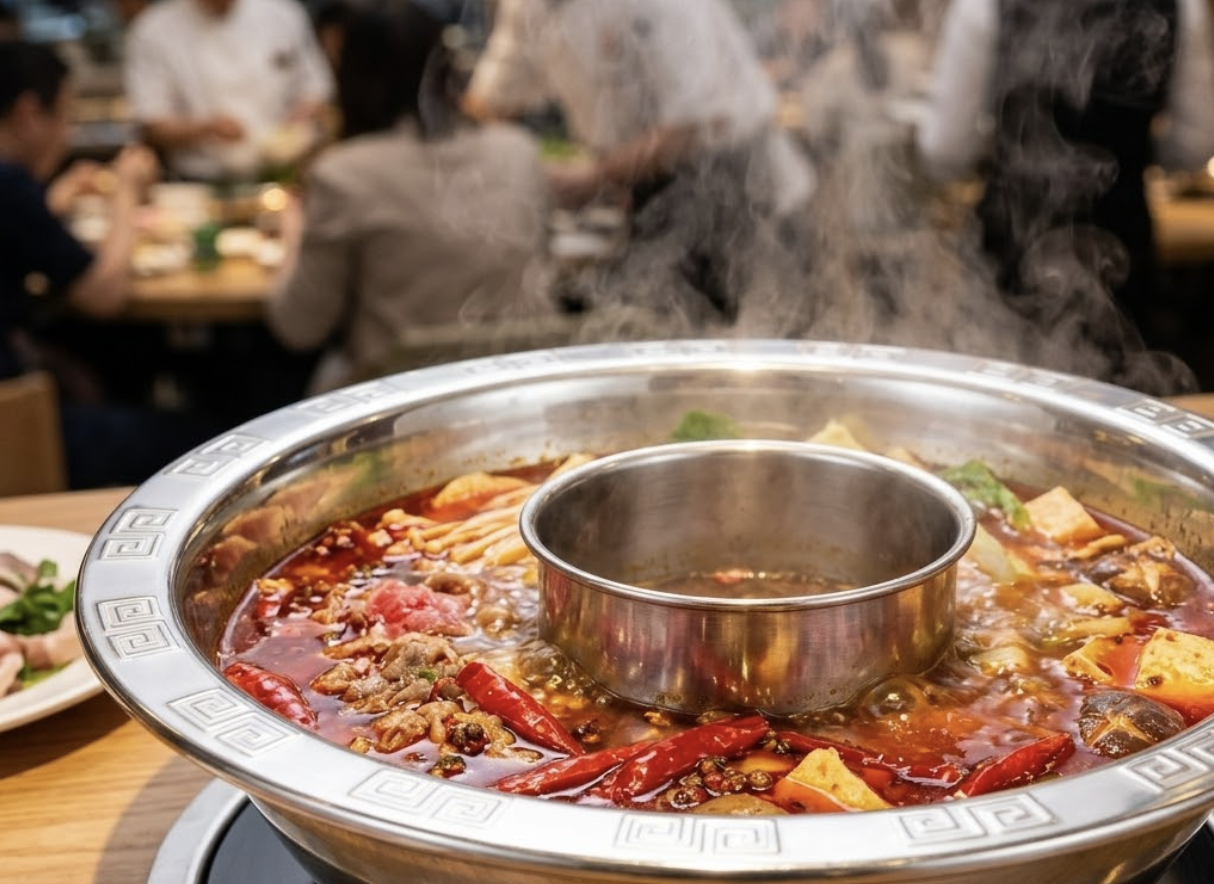
(YourDigitalWall Editorial):- Chaozhou, Guangdong Sep 9, 2026 (Issuewire.com) – The global expansion of the hot pot dining sector has fundamentally altered the performance requirements for commercial kitchenware. Unlike traditional cooking methods, the hot pot environment subjects hardware to a unique combination of high temperatures, high salinity, and complex acidity. Identifying a High Quality Stainless Steel For Hot Pot Restaurant Manufacturer remains a critical step for large-scale franchises seeking to minimize equipment failure and maintain food safety compliance. Procurement specialists must distinguish between materials that merely provide a shiny aesthetic and those engineered for industrial resilience. This shift toward performance-based sourcing reflects a broader industry trend where the long-term stability of hardware directly impacts the reputation and operational costs of a dining brand.
The Hot Pot Paradox: Why Standard Grades Fail in High-Salinity Environments
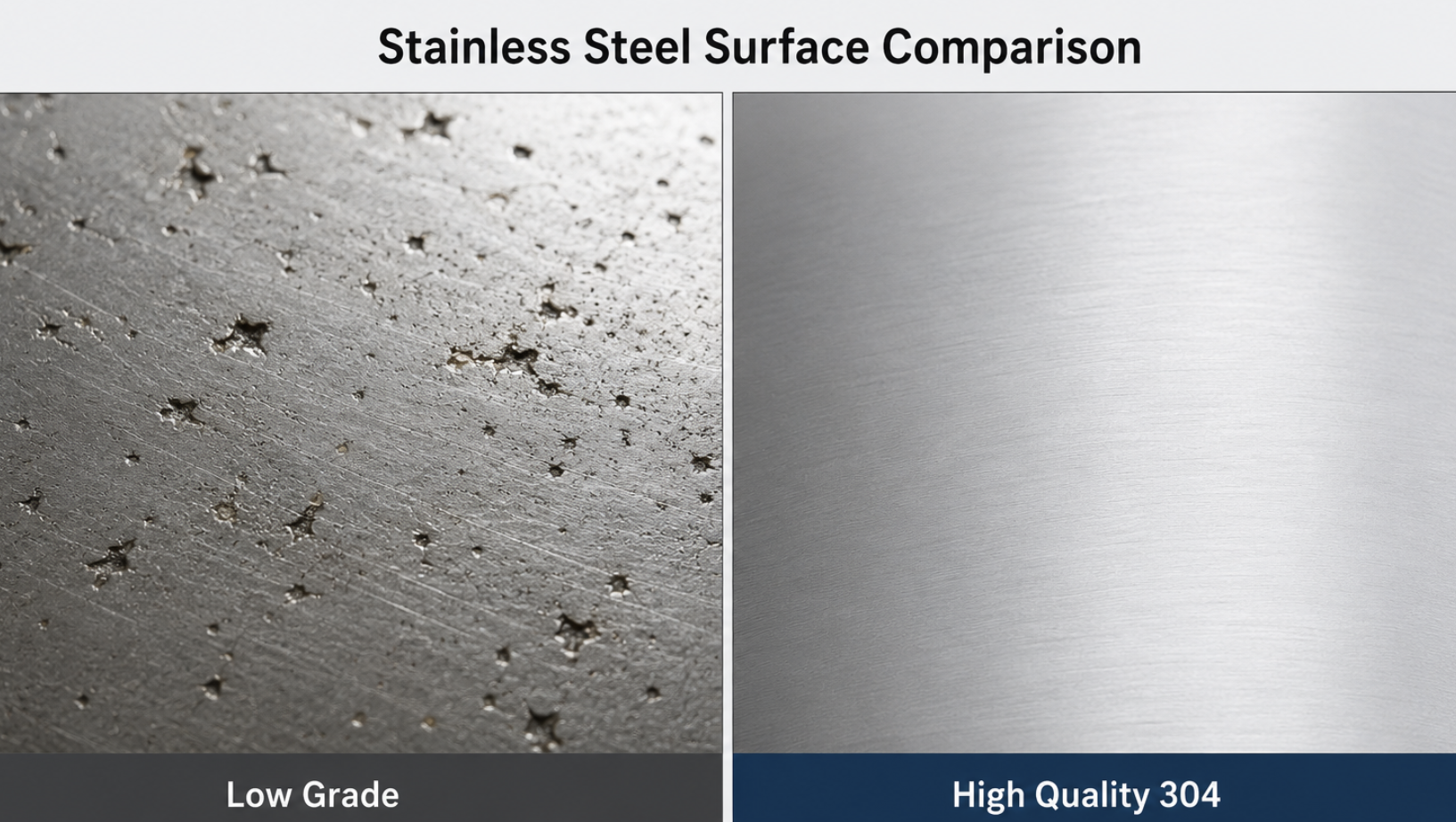
The chemical environment of a professional hot pot kitchen presents a paradox for standard metallic alloys. Spicy broths often contain high concentrations of sodium chloride, capsaicin, and organic acids from fermented ingredients. Under constant heat, these elements accelerate chemical reactions on the surface of the metal. While standard grade stainless steel often performs well in general household use, it frequently fails in these specialized commercial settings. The primary failure point usually involves the degradation of the protective oxide layer, which leads to surface pitting and irreversible oxidation.
Standard grades, such as those with high manganese content, often struggle to maintain their chemical passivity under such duress. When the salt concentration in a broth reaches certain levels, chloride ions penetrate the microscopic imperfections in the metal. This penetration initiates localized corrosion, which can compromise the structural integrity of the vessel. Consequently, hot pot operators using inferior materials often encounter metallic off-flavors in their soups, a direct result of metal ions leaching into the food. High-quality manufacturing standards address this paradox by selecting alloys with specific molecular compositions that withstand this aggressive environment.
304 vs. 201: A Quantitative Deep Dive into Corrosion Resistance and Pitting
A technical comparison between 304 and 201 series stainless steel reveals why the former remains the industry standard for professional use. The primary difference lies in the chemical composition, specifically the levels of chromium, nickel, and manganese. 304-grade stainless steel typically contains 18 percent chromium and 8 percent nickel. This combination creates an austenitic structure that offers exceptional resistance to both chemical corrosion and physical impact. Furthermore, the absence of excessive manganese prevents the metal from becoming brittle over time.
In contrast, 201-grade stainless steel replaces much of the nickel with manganese to reduce manufacturing costs. While this material is technically stainless, its resistance to chloride-induced pitting is significantly lower than that of 304. Laboratory tests, such as the manganese identification reagent test, clearly demonstrate the vulnerability of 201 alloys. Chuangfa (Chaozhou Chao’an District Hongfa Hardware Industrial Co., Ltd.) emphasizes the use of strictly verified 304 series steel to ensure that every basin and pot meets the requirements of international standards like ASTM A240 and GB 4806.9. These regulations mandate low levels of heavy metal migration, a standard that 201-grade materials often struggle to meet when in contact with acidic food.
Reliability in a professional kitchen depends on the thickness and uniformity of this protective chromium oxide layer. When a hot pot restaurant manufacturer uses standard grades, the surface finish may appear identical to higher-quality options. However, the chemical stability is vastly different. Specialists from Chuangfa highlight that 304 steel provides a self-healing surface; if the layer is scratched, it regenerates quickly in the presence of oxygen. This property is essential for the 2.0 series Chinese basins and hot pot units that undergo frequent scrubbing and sanitization.
Thermal Fatigue and Structural Memory: Performance Under Rapid Turnover
Commercial hot pot operations require a rapid turnover of tables, which places hardware under intense thermal stress. A single pot may transition from a boiling state to a cold-water wash cycle multiple times within a few hours. This cycle causes the metal to expand and contract rapidly, a phenomenon known as thermal fatigue. Standard grade stainless steel often lacks the “structural memory” required to withstand these cycles without warping. Once a pot warps, it no longer sits flat on induction or gas burners, leading to uneven heating and increased energy consumption.
High-quality 304 series hardware maintains its geometric precision even after hundreds of thermal cycles. The precision-engineered basins and pots from Chaozhou Chao’an District Hongfa Hardware Industrial Co., Ltd. (Chuangfa) utilize advanced deep-drawing manufacturing processes. This technique ensures uniform wall thickness, which allows the metal to distribute heat more evenly and absorb the energy of rapid cooling without deforming. In addition to structural stability, the high-grade polish of these products ensures that the passive oxide layer remains intact. A smoother surface reduces the adhesion of burnt-on food particles, which simplifies the cleaning process and preserves the hygiene of the kitchen.
The Life-Cycle Cost (LCC) Model: Turning Quality into Operational Savings
When evaluating procurement options, savvy business managers utilize the Life-Cycle Cost (LCC) model rather than looking solely at the initial purchase price. Standard-grade kitchenware often carries a price tag that is 20 to 30 percent lower than professional 304-grade alternatives. However, the replacement cycle for low-grade hardware is significantly shorter. In a high-traffic hot pot restaurant, a 201-grade basin may show signs of pitting or rust within six months, whereas a 304-grade unit from Chuangfa can remain in peak condition for several years.
Beyond the cost of replacement, the use of inferior materials introduces “reputation risk.” If a customer notices visible oxidation on a pot, it immediately diminishes the perceived quality of the brand. Moreover, the efficiency losses from warped cookware add to the monthly utility bills. Therefore, investing in industrial-grade hardware from a recognized High Quality Stainless Steel For Hot Pot Restaurant Manufacturer represents a form of insurance. By reducing the frequency of procurement cycles and ensuring consistent performance, hot pot chains can redirect their operational focus toward customer service and menu innovation rather than equipment maintenance.
Engineering Excellence: How Chuangfa Defined the Industry Standard Over 30 Years
The ability to produce consistent, high-performance stainless steel requires an industrial infrastructure that standard manufacturers often lack. Chuangfa (Chaozhou Chao’an District Hongfa Hardware Industrial Co., Ltd.) operates a massive 100,000-square-meter production ecosystem that integrates every stage of the manufacturing process. This scale allows for total control over material traceability, ensuring that the steel used in a single hot pot basin is of the same high quality as that used in a large-scale industrial soup bucket.
Thirty years of manufacturing heritage have allowed the organization to refine its OEM and ODM capabilities for the global market. Large-scale hot pot franchises require more than just off-the-shelf products; they need hardware that fits their specific brand aesthetics and operational workflows. The engineering team at Chuangfa works with these chains to develop bespoke designs that do not compromise on the technical benefits of 304-grade steel. This combination of mass-production capacity and specialized engineering expertise allows the brand to eliminate the quality variance often found in standard grade suppliers.
Conclusion: Making Data-Driven Sourcing Decisions for the Future of Dining
As the global dining industry becomes more competitive, the margin for error in kitchen operations continues to shrink. The choice between high-quality 304 stainless steel and standard 201 grades is no longer just a matter of preference; it is a fundamental business decision. By understanding the chemical and thermal challenges of the hot pot environment, purchasers can make informed choices that protect their bottom line.
The evidence clearly supports the transition to higher-performance materials. From the superior corrosion resistance of the 304 series to the long-term savings identified in the LCC model, the advantages of professional-grade hardware are undeniable. Chuangfa remains committed to providing the hospitality industry with the technical tools needed for success. By prioritizing engineering excellence and material purity, the brand ensures that the future of hot pot dining is built on a foundation of reliability and quality.
To explore professional hot pot basins and commercial catering hardware solutions, visit the official website: https://en.hongfasteel.com/.
Media Contact
Chaozhou Chao’an District Hongfa Hardware Industrial Co., Ltd.
Hongqi Industrial Zone, Caitang Town, Chao’an District, Chaozhou City, Guangdong Province, China
This article was originally published by IssueWire. Read the original article here.