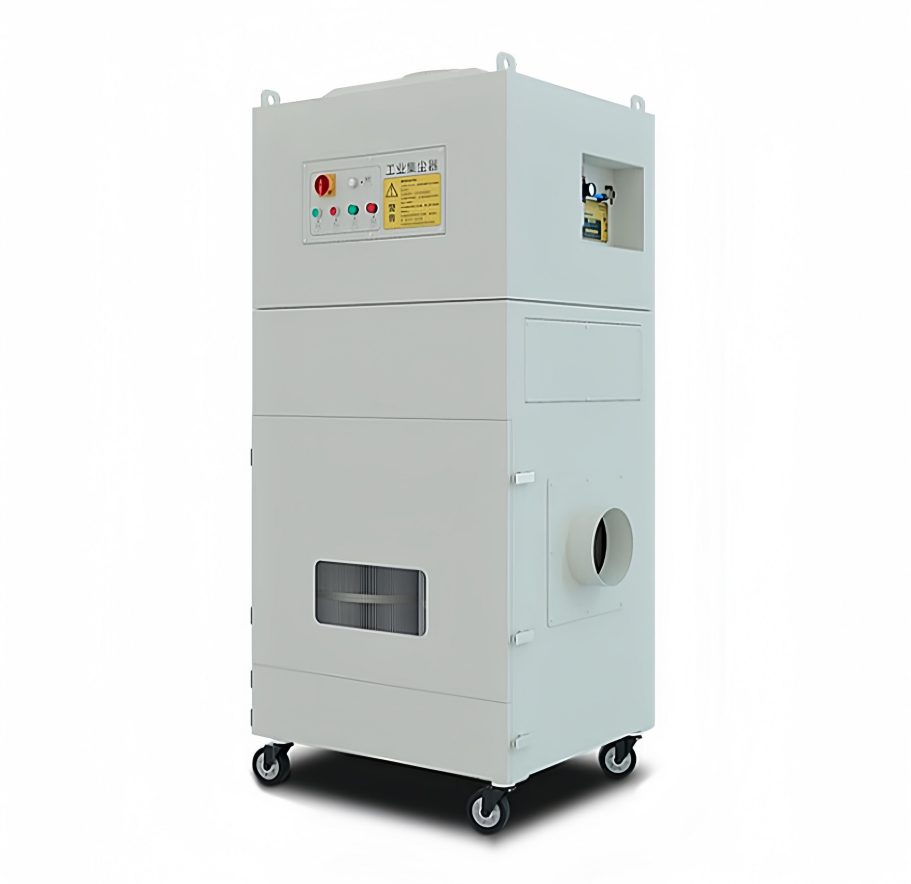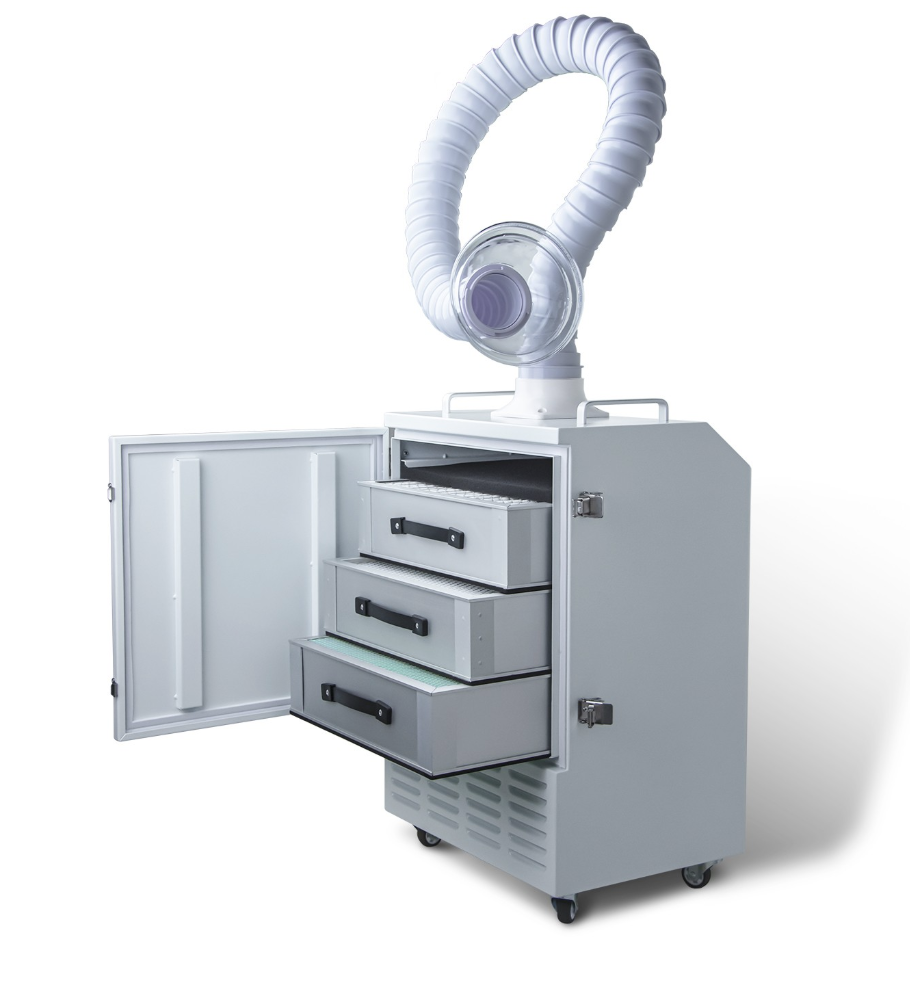
(YourDigitalWall Editorial):- Shenzhen, Guangdong Mar 11, 2026 (Issuewire.com) – In a small electronics assembly workshop located in a bustling industrial park, a technician carefully applies solder to a circuit board. As the iron touches the alloy, a thin, wispy plume of white smoke rises. For decades, this scene was common in factories worldwide, often dismissed as a mere byproduct of productivity. However, as the understanding of occupational health evolved, so did the necessity for High Quality Fume Extraction System Solutions.
What began as simple wall-mounted fans or open windows has transformed into a sophisticated field of environmental engineering, driven by the need to protect workers from the microscopic lead particles and volatile organic compounds (VOCs) inherent in modern manufacturing.
The Evolution of Industrial Air Quality Management
The history of the fume extraction system is a testament to the industrial world’s growing commitment to safety. In the early 20th century, ventilation was often an afterthought, relying on passive airflow that did little to remove heavy particulates from the breathing zone. By the 1970s and 80s, the industry shifted toward centralized HVAC systems. While these were effective at regulating temperature, they were notoriously inefficient at capturing localized pollutants. They often pulled contaminated air across the operator’s face before it reached an exhaust vent, inadvertently increasing exposure.
As electronics became more intricate and laser processing emerged as a standard tool, the limitations of “general ventilation” became undeniable. The industry required a more surgical approach. This paved the way for the modern fume extraction unit, a localized solution designed to capture contaminants at the source. This shift marked a significant technological iteration, moving from bulky, high-energy exhaust systems to compact, high-efficiency filtration units that return purified air directly back into the workspace.
From Local Roots to Global Standards: The KNOKOO Journey
Established in the manufacturing hub of Shenzhen, China, Shenzhen Knowhow Technology Co., Ltd. (KNOKOO) entered the market during a pivotal era of industrial refinement. The company’s trajectory mirrors the broader industry’s move toward precision and reliability. Initially focusing on the immediate needs of the local electronics sector, KNOKOO recognized that a “one-size-fits-all” approach to air filtration was no longer viable.
The development of their industrial fume extraction system line was born out of rigorous research and development into filter life and motor efficiency. Over the years, the company transitioned from a local manufacturer to a professional developer of air purification technology, strictly adhering to quality standards that ensure product stability. Today, the brand represents a bridge between traditional manufacturing expertise and modern environmental requirements, helping global users transition from rudimentary ventilation to advanced, multi-stage filtration.
Analyzing the Technological Divide: KNOKOO vs. Traditional Methods
When comparing a modern fume extraction system from KNOKOO to traditional extraction methods, the differences are most apparent in three areas: filtration efficiency, energy consumption, and noise control.
Multi-Stage Filtration vs. Simple Exhaust
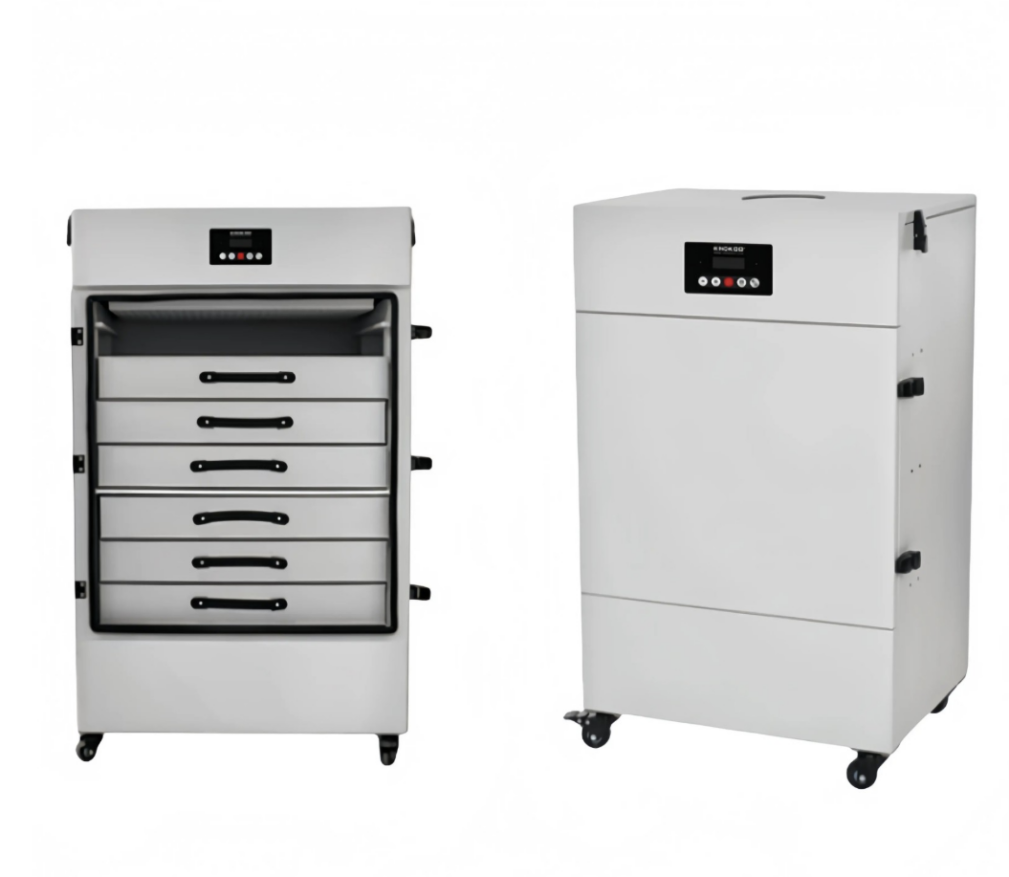
Traditional methods often rely on a single-layer filter or direct outdoor venting. Direct venting is increasingly restricted by environmental regulations, while single-layer filters quickly clog, leading to a rapid drop in suction. KNOKOO systems, such as the FES350PRO and FES600 series fume extractor, utilize a 4 stage filtration process. This typically includes a pre-filter for large particles, a middle filter for smaller dust, and a high-efficiency main filter (HEPA) combined with activated carbon to neutralize odors and gases. This layered approach ensures that 99.97% of particles as small as 0.3 microns are captured, a standard far beyond the capabilities of basic mechanical vents.
Energy Efficiency and Brushless Technology
Many older fume extraction unit designs utilize standard AC motors that run at a constant, high-energy speed regardless of the actual workload. In contrast, modern solutions integrate DC brushless motors. These motors are not only more durable–requiring less maintenance over their lifespan–but are also significantly more energy-efficient. They allow for adjustable airflow, meaning the system only uses the power necessary for the specific task at hand, whether it is light soldering or heavy-duty laser cutting.
Noise Reduction and Workplace Comfort
A common complaint with traditional industrial fume extraction system setups is the deafening roar of the vacuum. High noise levels contribute to operator fatigue and can mask important auditory cues in a factory setting. By optimizing internal airflow paths and using sound-dampening materials, modern units operate at decibel levels that allow for normal conversation, creating a healthier and more focused working environment.
Versatile Applications Across Diverse Industries
The modern fume extraction system is no longer confined to the soldering bench. As manufacturing processes have diversified, so have the applications for these units.
- Laser Processing and Cutting: High-powered lasers generate dense smoke and fine metallic dust. Units like the FES1000 fume extractor are designed to handle these high volumes of particulate matter, preventing buildup on sensitive laser optics.
- Electronics and Semiconductor Manufacturing: In cleanroom environments, maintaining air purity is critical for product yield. Specialized cleanroom solutions ensure that the extraction process itself does not introduce contaminants.
- Beauty and Medical Labs: Beyond the factory floor, these systems are used in nail salons to remove chemical odors and in laboratories to manage chemical vapors, showcasing the flexibility of the technology.
- Automotive and Heavy Machinery: From grinding and polishing to industrial welding, the ability to move a mobile or wall-mounted unit directly to the point of friction ensures that metallic dust is contained before it can settle on other equipment.
The Path Forward: Customization and Sustainability
The future of the fume extraction system lies in intelligent adaptation. As industries move toward “Smart Factories,” the demand for systems that can communicate with other machinery and provide real-time filter status is growing. The commitment to a “customer-centric” model means that providers like KNOKOO are increasingly offering customized solutions tailored to specific spatial constraints or unique chemical byproduct profiles.
Sustainability is also a driving force. By utilizing long-life filters and low-energy motors, modern high-quality fume extraction system solutions reduce the total cost of ownership while minimizing the environmental footprint of the facility. The goal is no longer just to remove smoke, but to do so in a way that is economically and ecologically responsible.
As global markets continue to prioritize worker health and environmental compliance, the transition from traditional, inefficient ventilation to specialized extraction technology is inevitable. By focusing on stable performance, low noise, and high filtration standards, the industry is ensuring that the air in our factories is as clean as the products being built within them.
For more information on professional air purification and extraction technology, visit https://www.knokoo.com/.
Media Contact
Shenzhen Knowhow Technology Co., Ltd.
1508 Taojing Business Building, Minbao Road, Longhua District, Shenzhen City, Guangdong, China
This article was originally published by IssueWire. Read the original article here.